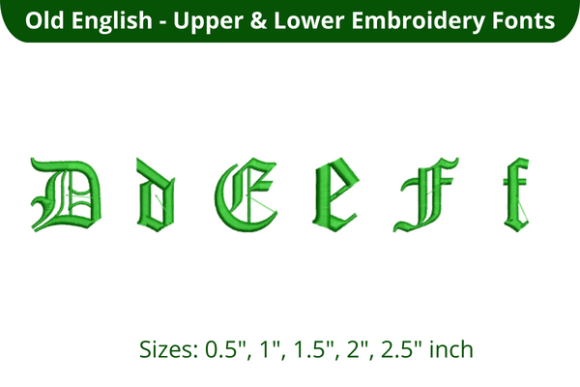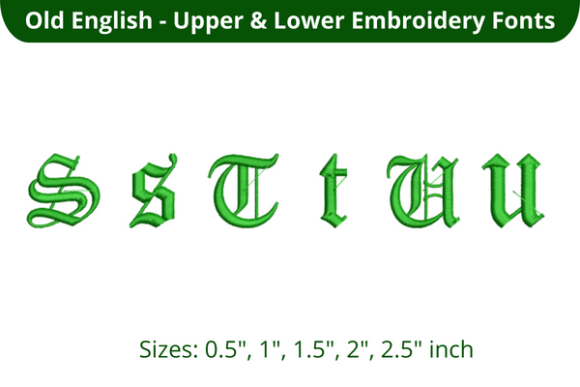
Old English Font GHI Review for Personalized Embroidery
As an experienced embroidery designer who regularly creates personalized gifts for small shops and Etsy sellers, I recently had the chance to test Old English Font GHI on a few sample projects. This machine embroidery design has a charm that immediately caught my attention, and I wanted to share how it performed in real-life scenarios—especially when creating items like baby blankets, wedding keepsakes, and custom towels.
A First Impression: Timeless Charm Meets Modern Versatility
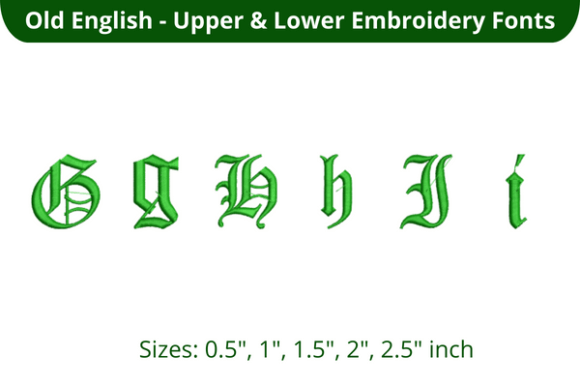
At first glance, Old English Font GHI feels like a gentle nod to the past. Its curves and flourishes evoke a sense of elegance, making it perfect for customers who appreciate classic aesthetics. The font carries a sweet, handmade quality that appeals to both nostalgic and modern tastes. It’s not overly ornate, so it works well for a variety of personalization needs—from simple names on pillow covers to meaningful quotes on embroidered towels.
The emotional appeal of this design is strong. Whether you're creating a handmade product for a new baby or a romantic gift for a wedding, Old English Font GHI adds a layer of thoughtfulness that elevates the finished product. It feels warm and inviting, which makes it ideal for Back To School items like personalized backpacks or custom aprons.
Where Old English Font GHI Shines: Perfect for Personalized Gifts
This font is incredibly versatile. Here are some of the best ways to use Old English Font GHI in your personalized gift line:
- Baby Embroidery: Use it on onesies, blankets, or nursery wall art. The softness of the font pairs beautifully with delicate thread colors.
- Wedding Gift: Add names or dates to pillow covers, handkerchiefs, or even embroidered towels for a couple’s registry.
- Family Keepsakes: Create custom family name plaques, quilt squares, or heirloom-quality items that will be cherished for years.
- Custom Towels: Whether it's a kitchen towel or bathrobe, this font brings a touch of elegance to everyday items.
- Etsy Listings: Offer digital embroidery files or printable mockups so buyers can see how their names will look before purchasing.
Areas to Consider Carefully: Design Limitations and Best Practices
While Old English Font GHI is beautiful, there are a few situations where extra care is needed:
- Small Lettering: The flourishes may become less defined on very small text. Always test on scrap fabric before finalizing a design.
- Delicate Details: Ensure that the stitch density is set appropriately to preserve the fine lines of the font.
- Textured Fabric: Avoid using this font on thick towels or stretchy baby clothes unless you use proper stabilizer.
- Dark Fabric: Make sure the thread color contrasts well with dark backgrounds to maintain visibility.
- Frequent Washing: Choose high-quality thread and double-check the durability of the embroidery if the item will be washed often.
Boosting Giftability and Customer Trust
Using Old English Font GHI in your small shop product line can significantly increase the perceived value of your items. Customers are drawn to the classic look, which suggests quality and craftsmanship. This font also enhances the emotional connection between the buyer and the finished product, making it a great choice for special occasions like weddings, birthdays, or baby showers.
For Etsy sellers and handmade product creators, this design can be a key differentiator. When paired with beautiful photography and thoughtful packaging, it helps build customer trust and encourages repeat business. A well-placed embroidered towel or blanket embroidery with this font can easily become a customer favorite.
Practical Embroidery Tips for Using Old English Font GHI
To ensure the best results when working with Old English Font GHI, follow these practical steps:
- Test on Scrap Fabric: Always do a test run before stitching on a final item. This helps catch any issues with stitch density or thread color contrast.
- Check Thread Colors: Make sure the thread color complements the fabric and stands out clearly.
- Confirm Hoop Size: Ensure your hoop size matches the design dimensions to avoid distortion.
- Review Stitch Density: Adjust settings as needed to preserve the font’s details without overcrowding the fabric.
- Use Proper Stabilizer: Especially important for stretchy or textured fabrics.
- Compare Light and Dark Mockups: See how the font looks on different fabric tones before finalizing the design.
- Check Small Details: After stitching, inspect the work closely to ensure no elements are missed.
- Confirm Commercial Licensing: If you plan to sell finished products, make sure the digital embroidery file comes with commercial use rights.
Final Thoughts: A Font Worth Adding to Your Collection
Old English Font GHI is a wonderful addition to any machine embroidery design collection. It brings a timeless quality to personalized gifts and is adaptable enough to suit a wide range of products. Whether you’re designing for custom embroidery orders or expanding your handmade product line, this font is sure to impress both you and your customers.
If you’re looking for a way to add a touch of elegance and personality to your personalized gift offerings, I highly recommend giving Old English Font GHI a try. Just remember to test it thoroughly and adjust your techniques based on the fabric and project requirements.